












“Wired but tired” is one of those phrases people reach for because nothing else quite fits. You’re exhausted. Your eyes feel gritty, there’s a thick layer of brain fog over everything, and you’d happily skip the rest of the evening. And yet the moment your head touches the pillow, your brain switches on like it’s been saving its best material for exactly this moment.
In plain terms, wired but tired means your body is ready for sleep while your brain is still running at daytime speed. It sounds like a contradiction. It makes more sense once you know that tiredness and alertness are handled by two separate systems, and you can push one all the way up while the other refuses to stand down.
Two Dials Running at Once
The first dial is sleep pressure. Every hour you’re awake, a chemical signal called adenosine builds up in the brain, and the longer it builds, the heavier your eyelids get. By late evening after a long day, this dial is usually turned way up. That’s the “tired” half.
The second dial is alertness. It’s driven by your body clock, by light, by stimulants like caffeine, and by your stress response, the same system that sharpens you up before a deadline or a hard conversation. On a good evening, this dial drifts down as the day winds toward bed.
Wired but tired is what happens when both dials are high at once. And if that’s you, sleep pressure is already taken care of. You’re exhausted, after all. So the dial worth working on is alertness, and luckily it’s the one with the most levers.
What Keeps the Wired Dial Turned Up
For most people, it’s a handful of small, ordinary habits stacking up on the same side of the scale.
Light after dark. Your body clock reads light as information about what time it is. In a well known study from Harvard researchers, 12 adults spent several evenings reading on a tablet before bed and several reading a printed book. After the tablet, they took longer to fall asleep, felt less sleepy in the evening, produced less melatonin, had a later body clock, and were groggier the next morning. Four hours of reading in a lab isn’t quite the same as twenty minutes of scrolling in bed. Still, the direction is hard to ignore. Late screen time tells your brain it’s earlier than it really is.
Caffeine you’ve forgotten about. Caffeine lingers far longer than its buzz does. In a small study published in the Journal of Clinical Sleep Medicine, a dose roughly equal to two or three cups of coffee, taken six hours before bed, cut measured sleep by more than an hour. The odd part was that participants didn’t notice. Their sleep diaries looked fine while the monitors said otherwise. So the 4 p.m. coffee that “never affects me” might be doing more than it lets on.
The evening as the only free time. Researchers in the Netherlands gave this one a name in 2014, bedtime procrastination. Its more popular cousin, “revenge bedtime procrastination,” describes staying up late to claim back time the day didn’t leave room for. You’re not doing anything wild. One more episode, one more thread, one more hour that finally belongs to you. A 2023 study that followed 280 students through two weeks of sleep diaries linked the habit to shorter, lower quality sleep. People tend to blame themselves for this one. But for a lot of them it looks more like a scheduling problem, a day so packed that all the actual living gets pushed into the hours meant for sleep.
The unfinished day. Then there’s the mental to do list that starts reading itself aloud the moment you lie down. Tomorrow’s emails, the reply you forgot to send, the meeting you’re slightly dreading. A lab study at Baylor University tested a simple fix. Before bed, 57 young adults spent five minutes writing either tomorrow’s tasks or a list of what they’d already finished. The group that wrote tomorrow’s tasks fell asleep faster, and the more specific their lists, the faster they dropped off. Getting the open loops out of your head and onto paper seems to give your brain permission to stop rehearsing them.
Why It Feels Worse Than It Used To
None of those four things is new on its own. People have always worked late, drunk coffee, and lain awake worrying.
What’s changed is that one object now delivers all of them at once, and it sleeps next to us. The phone is a light source, a work inbox, a social life, and an endless supply of small surprises, all within reach at 11 p.m. Each message or video is minor. Together they keep nudging the alertness dial up at the exact hour it should be drifting down.
For most of human history, the day ended when the light did. The body’s signals and the environment agreed with each other. Modern evenings send mixed messages. Your body says it’s late, and everything around you says the day is still going.
Turning the Wired Dial Down
The alertness dial tends to respond to small, fairly boring changes. You don’t need to overhaul your life to move it.
Move your caffeine cutoff earlier than feels necessary. Early afternoon is a reasonable starting point, given how quietly that six hour effect showed up.
Give your evening a clear edge. Pick a time after which work messages wait until morning, and dim the lights for the last hour or so. If you can, charge your phone somewhere other than your nightstand. That one change handles the light, the inbox, and the endless next video in a single move.
Protect a little free time earlier in the day, even fifteen minutes. If the only moment that feels like yours is midnight, your brain will keep defending it. And when you do take time in the evening, decide roughly when it ends before you start.
Spend five minutes writing tomorrow’s task list before bed. Be specific. “Email Sarah about the invoice” works better than “admin.”
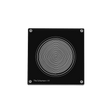
Then let the room itself say the day is over. Warm, low light, a cool temperature, and the same small routine each night all help your body reset toward rest. Some people add a Schumann device to that routine. The V1 Classic fills the room with a silent, steady 7.83 Hz field, the same frequency as the Earth’s natural resonance, and there’s nothing to hear or feel. Customers often describe their bedroom feeling calmer and the evening easier to let go of, though experiences vary from person to person. Think of it as one more signal that the day is done, sitting alongside the habits above.
When to Talk to Someone
Most wired but tired evenings come down to habits and surroundings, and they tend to ease once a few of these levers shift. If you’ve changed the obvious things and you’re still lying awake most nights for weeks at a time, bring it to your doctor. Persistent insomnia is common and well studied, and there are proven approaches for it, including a structured program called cognitive behavioral therapy for insomnia.
A tired body at the end of a long day is normal. A brain that still thinks it’s noon usually means something in your evening is sending the wrong signal, and that part you can change.

