





Teachers grade papers at the kitchen table long after the last bell. Nurses fall asleep at 9 a.m. with the blackout blinds drawn. Police officers come off a night shift still running on adrenaline, and military families unpack into yet another new house. The people who keep everything else running rarely get a quiet room of their own, at work or at home.
For teachers, at least, the numbers are well documented. In RAND’s 2025 State of the American Teacher survey, 62% of teachers reported frequent job related stress, almost twice the rate of similar working adults. And 46% said their job left them too tired for personal activities afterward, compared with 13% of other working adults.
We wrote this one for the people behind those numbers, and for a practical question. Can a Schumann device fit into a classroom, a government office, or the room where you sleep after a night shift? Mostly, yes. Each setting just comes with a few details worth knowing first.
Why the Room Matters
Most advice about stress and recovery is about what you do. Breathe slower, put the phone down, get to bed earlier. All useful. But the space around you is sending signals too, from the lighting and the noise to the general sense of whether you’re on duty or off.
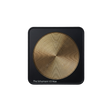
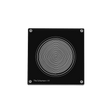
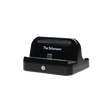
Our devices work on that layer. A Schumann device fills a room with a silent, steady, low frequency electromagnetic field at 7.83 Hz, the Earth’s own natural background frequency. There’s no sound, no vibration, and nothing to feel. It sits in the background the way a phone signal does, present whether or not you notice it.
It’s also small and portable, so it can go where you go. That matters for people whose working day doesn’t happen at one desk.
In the Classroom

For teachers, the appeal is pretty practical. The device makes no sound, so it won’t compete with your lesson, and there’s nothing for students to notice beyond a small unit on your desk. A steady, calm presence can feel like a nice idea in a room that’s anything but steady at 2 p.m. on a Friday.
A couple of things to sort out first. Check your school or district policy before bringing in any personal electronic device, especially one that plugs in. Plenty of schools have rules about what goes into the wall sockets, and a quick word with your principal or facilities team saves an awkward conversation later. And keep expectations grounded. The device is there for your own environment, and we don’t make any claims about its effect on students.
For a lot of teachers, the harder part of the day is switching off once they’re home. So the nightstand may end up being the better spot for it.
In the Office
Government employees work in a huge range of buildings, from city hall to a regional field office to a federal agency headquarters. In a standard office, a Schumann device is easy to live with. It’s quiet, it doesn’t need anyone else’s attention, and it gives you a small piece of control over a space you didn’t design.
Secure facilities are a different story. Many government buildings, and especially secure areas within them, restrict or ban personal electronic devices. If you work somewhere like that, check with your security officer before bringing one in, even a silent one. That rule exists for good reasons, and it’s worth respecting.
After the Shift

First responders, nurses, and many service members don’t work nine to five, and their recovery doesn’t always happen at night. Sleeping at 10 a.m. means fighting daylight, street noise, and a body clock that thinks you should be awake.
The basics still do most of the heavy lifting here. Blackout curtains, a cool room, a fan to cover the noise outside, and the same short routine every time you get home all tell your body the shift is over, whatever the clock says. A Schumann device can slot into that routine as one more steady signal that it’s time to rest. Users report feeling calmer and finding it easier to wind down, though it varies from person to person.
For military families, there’s one more angle. When you move every few years, very little about your bedroom stays the same. A small device that comes with you, unchanged, from one duty station to the next can be one part of the routine that doesn’t have to start over.
What to Expect
Don’t expect a switch to flip. The effect people describe is subtle and builds over time, so we suggest giving it a few weeks before deciding how you feel about it. It’s not a medical device, and it won’t replace sleep, care, or support from a professional. If shift work is wrecking your sleep or stress is getting heavy, talk to your doctor. Many departments and agencies also offer employee assistance programs for exactly this.
Every order comes with a 30 day money back guarantee, a 12 month warranty, and free shipping. So trying it in your own classroom, office, or bedroom carries very little risk.
Our GovX Discount
The Schumann is now on GovX, which means verified members of these groups can get a discount on their order.
-
Military, including active duty, veterans, and military families
-
First responders, including police, fire, and EMS
-
Healthcare workers
-
Government employees at the federal, state, and local level
-
Teachers and school staff
Verify your status once through GovX ID, a free verification service, and you’ll be able to use your discount when you shop at theschumann.com. It’s a small thank you to the people who look after the rest of us, and who deserve a calm room of their own.

